
Services / SA8000 certification
SA8000 certification audit and EUROTECH certificate, from $800
An independent audit of working conditions against the SA8000 requirements, with a certificate issued by EUROTECH. Read how it differs from a SAAS accredited certificate before you order.
From $800EUROTECH certificate, not SAAS accredited
- Accredited by IAB and INTAQS
- Issuing certificates since 2004
- Online or on-site audits worldwide
- Verify any EUROTECH certificate
What the SA8000 audit covers
SA8000 is a social accountability standard created by Social Accountability International (SAI). It sets requirements for how a workplace treats its people and expects a management system that keeps those conditions in place over time.
Our audit checks your workplace against the SA8000 elements and your management system against its requirements. Auditors review policies and records, walk the site and interview workers privately, then compare what they hear with what the records show.
- Child labour and the protection of young workers
- Forced or compulsory labour
- Health and safety
- Freedom of association and the right to collective bargaining
- Discrimination
- Disciplinary practices
- Working hours and overtime
- Remuneration and wage records
- The management system: policies, risk assessment, worker representation, grievances and improvement
The audit is not a checklist of yes or no answers. SA8000 expects you to find your own social risks, involve workers through elected representatives, and fix problems in a way that lasts. The auditor looks for that cycle of finding, fixing and checking.
EUROTECH certificate or SAAS accredited certificate: the plain comparison
There are two kinds of SA8000 document on the market, and buyers treat them differently, so here is the difference in plain terms.
A SAAS accredited SA8000 certificate is issued by a certification body accredited by Social Accountability Accreditation Services under the SAI program, and it appears in SAI's public records. Some brands and retailers require exactly this in their supplier code.
A EUROTECH SA8000 certificate is issued by EUROTECH after an audit against the same requirements. It is not SAAS accredited and is not listed by SAI. It is listed on our own verification portal. It suits companies that want an independent check of their social practices and a document showing they were audited, where the buyer does not insist on SAAS accreditation.
If you are not sure which one your customer accepts, send us the clause from their supplier code or questionnaire and we will tell you before you order.
We will not present the EUROTECH certificate as anything it is not. It carries our name, the audit date and the version of the standard audited, and states that it is not SAAS accredited.
What the price depends on
The EUROTECH SA8000 audit and certificate start at $800. Social audits are sized by the people on site, because worker interviews are the heart of the audit.
- Number of workers, including agency and contract workers on site
- Number of sites, dormitories and canteens that must be visited
- Languages spoken by the workforce, which may require an interpreter
- Travel to the site, since SA8000 audits are carried out on site
We put the audit days, interpreter needs and travel in the written quote, together with the cost of follow-up visits.
Preparation lowers the cost. Complete personnel files, payroll and time records that match each other, and a social performance team that already meets regularly all shorten the audit and reduce the chance of a follow-up visit.
If you also need a SMETA audit for another customer, ask us to plan both together, since much of the evidence overlaps.
How SA8000 certification works with us

Step 1
Pre-audit preparation
We confirm worker numbers, sites and languages, and send the list of records needed on audit day.

Step 2
Site tour
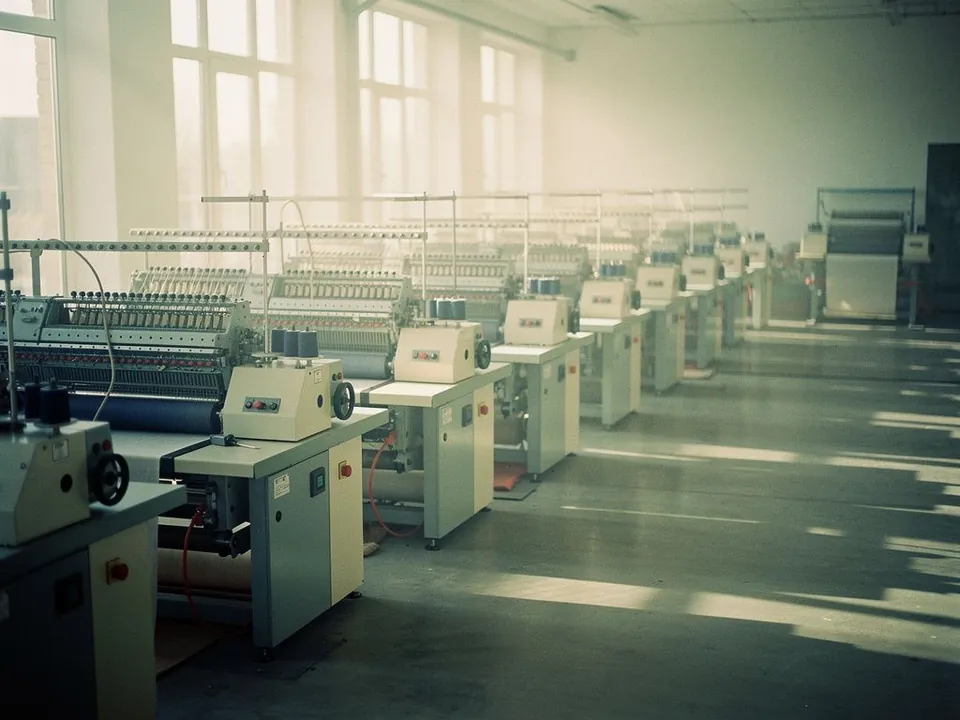
Auditors walk production, rest areas and any dormitories to see conditions first-hand.
Step 3
Health and safety check
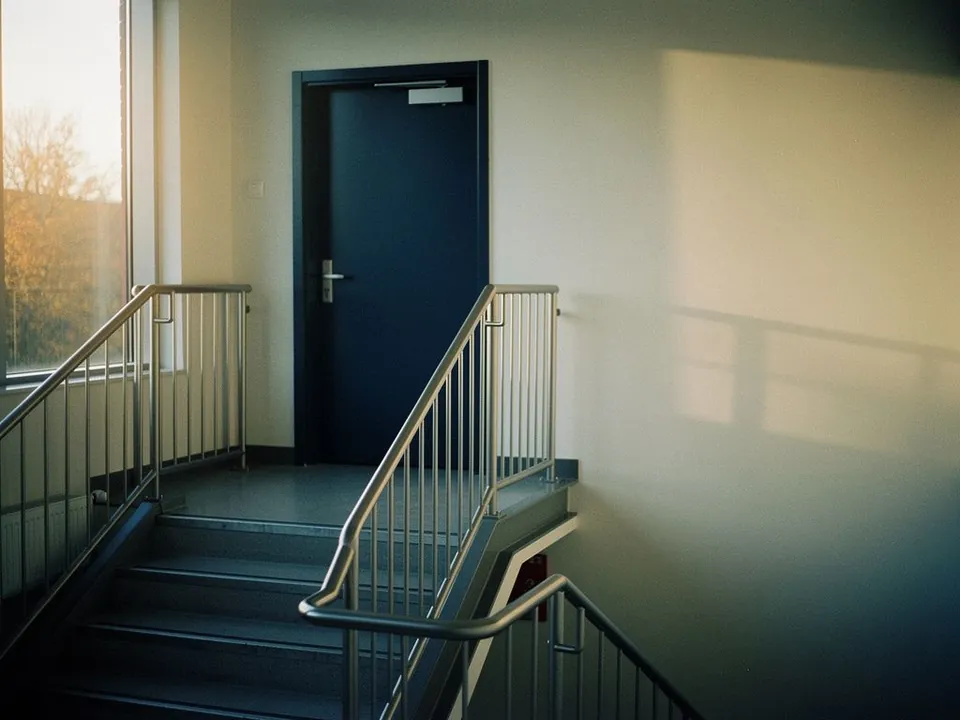
Exits, equipment, first aid and safety training are checked against records and practice.

Step 4
Worker interviews and report
Private interviews are compared with payroll and time records, and findings are reported in writing.
On-site only, wherever you are
SA8000 audits are carried out on site. Working conditions cannot be judged from documents alone: the auditor needs to see the production floor, the rest areas, the dormitories if there are any, and to interview workers away from their supervisors.
We audit factories and workplaces in the USA, Europe, Asia and Africa. Local labour law sets the minimum wage, overtime limits and leave entitlements, and SA8000 requires you to meet the stricter of local law and the standard. The auditor compares your payroll and time records with the law of your country, so have at least twelve months of records ready.
Where workers are recruited through agencies or come from other countries, the auditor also checks recruitment fees, contract terms and whether identity documents are kept by the employer, because these are frequent sources of forced labour risk.
Many SA8000 audits take place in labour-intensive sectors such as textiles, footwear, agriculture, food processing and electronics assembly. The auditor adjusts the interview sample to the shifts, departments and worker groups on site, including seasonal and migrant workers where they are present.
What to expect during the audit
The audit starts with an opening meeting and a site tour. Auditors then select workers for interviews, some individually and some in small groups, in a private place. Management does not attend these interviews.
Workers may tell the auditor about overtime, wages or treatment that does not match the records. The auditor follows these leads by checking more records, never by naming the worker. Retaliation against anyone who spoke to the auditor is itself a serious finding.
Document review covers personnel files, age verification, contracts, payroll, time records, overtime approvals, disciplinary records and grievance logs. The auditor looks for consistency between records and interviews. Findings are graded, and certification is decided on the evidence. Serious issues such as child labour or forced labour must be addressed before any certificate is issued.
At the closing meeting the auditor explains each finding and agrees the timeline for corrective actions. You receive the written report afterwards, and the certificate is issued once the decision is made on the evidence.
After the certificate and the SA8000:2026 version
The certificate is kept through follow-up audits. Between visits, keep wage and time records accurate, hold the meetings your social performance team is meant to hold, and log and answer grievances.
Follow-up audits look at the same elements, with extra attention to anything found before. Keep a log of the corrective actions you took and evidence that they worked, such as revised working time records or a new grievance process that workers actually use.
SAI published SA8000:2026 on 1 January 2026 to replace SA8000:2014. Under the SAI program, new certifications and recertifications must use the 2026 version from 1 January 2027, and 2014 certificates are withdrawn on 1 June 2029. We audit against the current version and tell you which one your EUROTECH certificate refers to.
Please read: EUROTECH SA8000 certificates are issued by EUROTECH and are not SAAS accredited. They are not part of the SAI certification program. SA8000 is a registered trademark of Social Accountability International (SAI). If your buyer requires a SAAS accredited SA8000 certificate, tell us before ordering and we will explain the options.
Questions buyers ask
Is the EUROTECH SA8000 certificate SAAS accredited?
No. It is issued by EUROTECH, is not SAAS accredited and is not part of the SAI program. It is listed on our own verification portal.
How much does the SA8000 audit cost?
It starts at $800. Worker numbers, number of sites, languages and travel set the final price, which we confirm in a written quote.
Will our buyer accept a non-accredited SA8000 certificate?
Some buyers do, some require SAAS accreditation. Send us the requirement from their supplier code and we will tell you before you order.
What is the difference between SA8000 and a SMETA audit?
SA8000 is a certifiable standard with a management system. SMETA is an audit method that produces a report shared on the Sedex platform, not a certificate.
Can the SA8000 audit be done online?
No. Worker interviews and a site tour are essential, so the audit is carried out on site.
Which records should we prepare?
Personnel files with age proof, contracts, at least twelve months of payroll and time records, overtime approvals, disciplinary records, grievance logs and health and safety records.
Related services
- SMETA audit
From $2,000
- FSSC 24000
From $2,000
- ISO 45001 certification
From $800
Get a quote for SA8000 certification
Tell us your company, sites and the standard you need. We reply with a written quote and the audit plan.
Prefer to talk? Call +1 307 205 1833
Monday to Friday, 09:00 to 18:00 (US Mountain Time)