
Services / Pre-shipment inspection
Pre shipment inspection of your goods before they leave the factory
An independent inspector checks a random sample of your finished, packed order against your specifications before you pay the balance or the goods are shipped.
From $1,500Inspection through partners
- Accredited by IAB and INTAQS
- Issuing certificates since 2004
- Online or on-site audits worldwide
- Verify any EUROTECH certificate
What a pre shipment inspection covers
A pre shipment inspection, often called a final random inspection, takes place when production is finished and most of the order is packed, usually at least 80 percent. The inspector selects cartons at random, opens them and checks a statistical sample of products against your purchase order, specifications and approved sample.
The check covers the things that cause disputes and returns: quantity and packing, product appearance and workmanship, dimensions and weight, function and safety tests, markings, labels and barcodes, packaging and shipping marks. Problems found here can still be fixed at the factory, which is far cheaper than fixing them after arrival.
For importers who pay a balance on shipment, the inspection report is often the deciding document: it gives independent evidence of what is in the cartons before money and goods leave.
- Quantity and packing check against the order
- Random sampling of cartons and products
- Visual and workmanship inspection with defect classification
- Measurements, function tests and basic safety checks
- Labels, markings, barcodes and packaging check
- Report with photos, defects found and an overall result
Approved samples are the reference that settles most arguments. Seal a golden sample with the supplier before production, or share clear photos and specifications, so the inspector compares the goods with what you actually approved.
Sampling and acceptance levels in plain terms
Most pre shipment inspections use acceptance sampling according to ISO 2859-1, known as AQL sampling. The order size and the inspection level decide how many units are checked; the acceptable quality limits decide how many defects of each type are allowed before the lot fails.
Defects are usually classified as critical, major and minor. Critical defects make a product unsafe or illegal and are often not accepted at all. Major defects make a product unlikely to be sold or used as intended. Minor defects are small departures from the specification that do not stop use.
You choose the inspection level and the acceptance limits for each type of defect, ideally in your purchase terms with the supplier. If you do not have them yet, we suggest common settings for your product type that you can adjust.
A container loading check can be added on the day of shipment, to confirm the right goods and quantities are loaded in good condition, and to record the container and seal numbers.
Tighter acceptance limits catch more defects but fail more lots, so choose them with the end customer and the product risk in mind rather than using the strictest settings for everything.
What decides the price
Pre shipment inspection with EUROTECH starts at $1,500. Your written quote shows exactly what is included.
- Order size and the sample size it requires
- Number of product styles or models in the order
- Tests required, such as function, drop or fatigue tests
- Factory location and travel
- Loading supervision added on shipment day
Regular orders from the same factory can be planned as an inspection programme, which makes each visit quicker.
Orders with many colours, sizes or models need larger samples or more time, because each variant must be represented in the check.
Tests that need special equipment are confirmed with the factory before the visit.
How Pre-shipment inspection works with us
Step 1
Booking and checklist
We agree specifications, tests, sampling level and acceptance limits, and book the date.

Step 2
Sampling
The inspector selects cartons at random and checks the sample against the checklist.
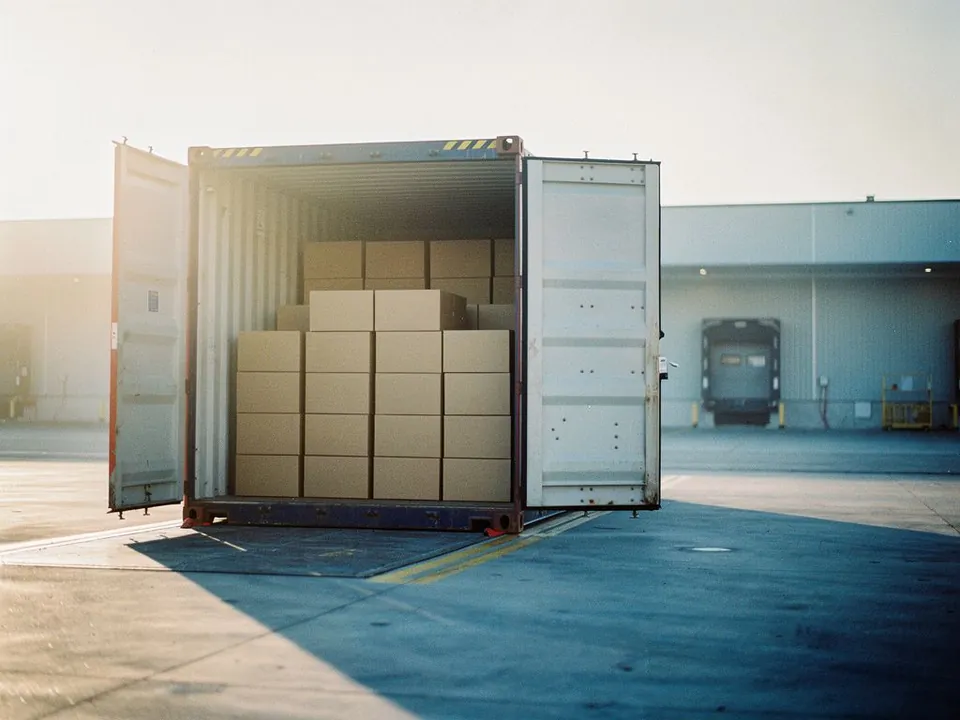
Step 3
Loading supervision
On request, loading is supervised and container and seal numbers recorded.
Step 4
Report and release
You receive the report with photos and results and decide on release.
Importing countries and official inspection programmes
We arrange pre shipment inspections at factories in the main manufacturing regions for buyers in the USA, Europe, Asia and Africa.
Some importing countries run mandatory pre-export inspection or conformity programmes for certain goods, carried out by inspection companies appointed by their governments. These official programmes are different from a buyer's own quality inspection. Check with your importer or customs broker whether your shipment falls under one, so the right documents are ready in time.
Product safety and labelling rules of the destination market should be part of the checklist: for example, warning labels, age grading on toys, language requirements and the presence of conformity marks such as CE where the market requires them.
For marketplace sellers, platform requirements on labels, barcodes and packaging can be added to the checklist, since non-compliant shipments may be refused at the warehouse.
Shipping marks and carton labels should match the importer's and the carrier's requirements, since errors there cause delays at the destination warehouse.
What to expect on inspection day
We agree the checklist with you before booking: product specifications, approved sample or photos, packaging requirements, tests to perform, sampling level and acceptance limits. The inspector confirms with the factory that goods are ready on the date.
On the day, the inspector counts cartons, selects samples at random, checks packing and markings, inspects products for defects, takes measurements and runs the agreed tests. Photos record each step and every defect found.
Function and safety tests are chosen by product: for example, electrical safety and running tests for appliances, drop tests for packed cartons, seam strength for textiles or assembly tests for furniture. We agree the tests in advance so the factory can prepare the equipment.
The report usually reaches you shortly after the inspection, with a clear result and the list of defects. If the lot fails, you decide with your supplier whether to rework, sort, re-inspect or accept with conditions. The decision to release the shipment remains yours.
After the inspection
Share the report with your supplier and ask for corrective actions on recurring defects. Over several orders, inspection results show which factories and product lines are reliable and where problems repeat, which helps you decide where to inspect more and where to inspect less.
If problems keep appearing at final inspection, consider adding a during-production inspection for that supplier. Finding defects earlier, while production is still running, usually saves more than a failed final inspection.
Keep inspection reports with your shipping documents, since they are useful evidence if a customer complaint or insurance claim arises later.
Agree in your purchase terms what happens after a failed inspection, including who pays for re-inspection, so decisions are quick when it happens.
Review the checklist each season, since new styles and new customer requirements often need new check points.
How this service works: EUROTECH organizes the inspection and it is carried out through our partner inspection organizations. You receive an independent report; the decision to release or hold the shipment is yours.
Questions buyers ask
How much does a pre shipment inspection cost?
With EUROTECH it starts at $1,500. Order size, number of styles, tests, factory location and loading supervision set the final price.
When should the inspection take place?
When production is complete and most of the order, usually at least 80 percent, is packed.
What is AQL?
Acceptance quality limit, the maximum defect rate accepted in a sample under ISO 2859-1 sampling plans.
Who performs the inspection?
An inspector from our partner inspection organizations. EUROTECH organizes the inspection and the report.
Is this the same as a government pre-shipment inspection?
No. Some importing countries run official programmes with appointed inspection companies. Check with your importer whether one applies.
What happens if the lot fails?
You decide with your supplier whether to rework, sort, re-inspect or accept with conditions. The release decision stays with you.
Related services
- Third party inspection
From $1,500
- CE marking
From $800
- GOST and EAC certification
From $1,500
Get a quote for Pre-shipment inspection
Tell us your company, sites and the standard you need. We reply with a written quote and the audit plan.
Prefer to talk? Call +1 307 205 1833
Monday to Friday, 09:00 to 18:00 (US Mountain Time)